

Advertisements
It may seem counterintuitive, but consuming certain dietary fats (low carb fats) can help you lose body fat. But you need to know what you’re doing. Here’s your guide.
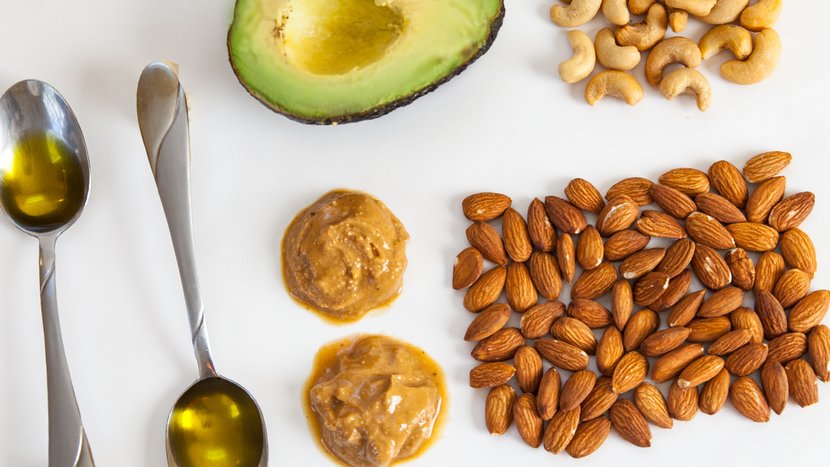
On the other hand, getting more than 40 percent of your total calories from fat can come at the expense of protein and fiber. Excessive intake of fat—which is the most calorie-dense nutrient at 9 calories per gram—can lead to unwanted weight gain, especially in people who aren't used to higher-fat diets. The official recommendation from the American Dietetic Association is to get 20-35 percent of your total calories from fat.
[Based on my review of the literature, 0.3 to 0.5 grams of fat per pound of your body weight is adequate to optimize hormone levels and meet other physiological needs, such as absorption of fat-soluble vitamins, structure and function of cell membranes, blood clotting, wound healing, and brain and neuronal function. Dietary fat also helps suppress appetite by activating specific hormones in the gut and slowing digestion.[2] Fats can also slow the release of nutrients from the small intestine, helping to promote stable blood sugar and healthy glucose metabolism.
Low Carb Fat and the Right Choices for Fat Loss
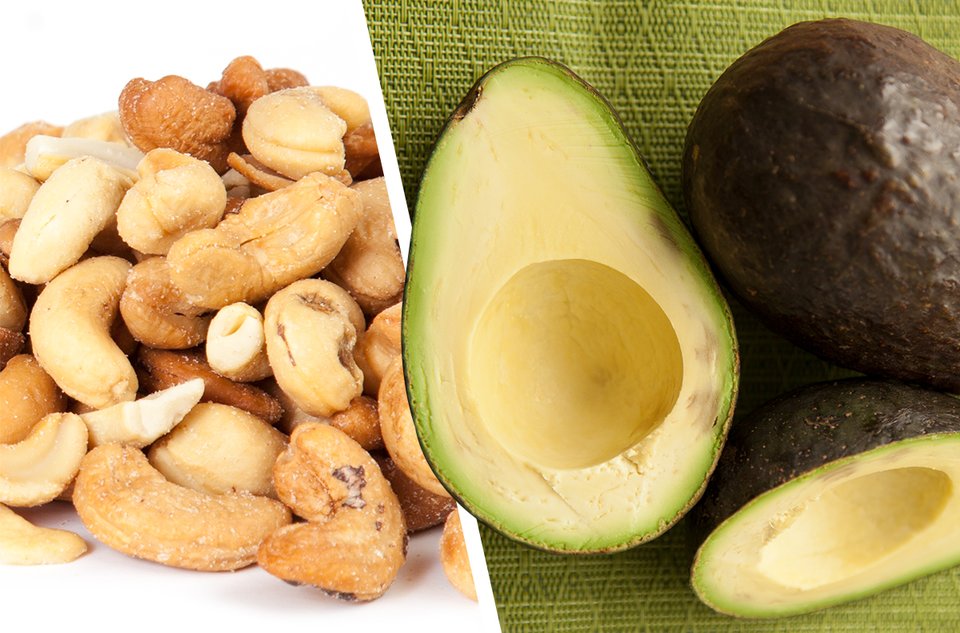
Certain types of fats are more beneficial for fat loss than others. A diet rich in monounsaturated and polyunsaturated fatty acids, such as avocados, nuts, and fatty fish, has been shown to reduce insulin resistance. Insulin resistance is a dominant risk factor for type 2 diabetes and is often associated with obesity and high blood pressure. [3]
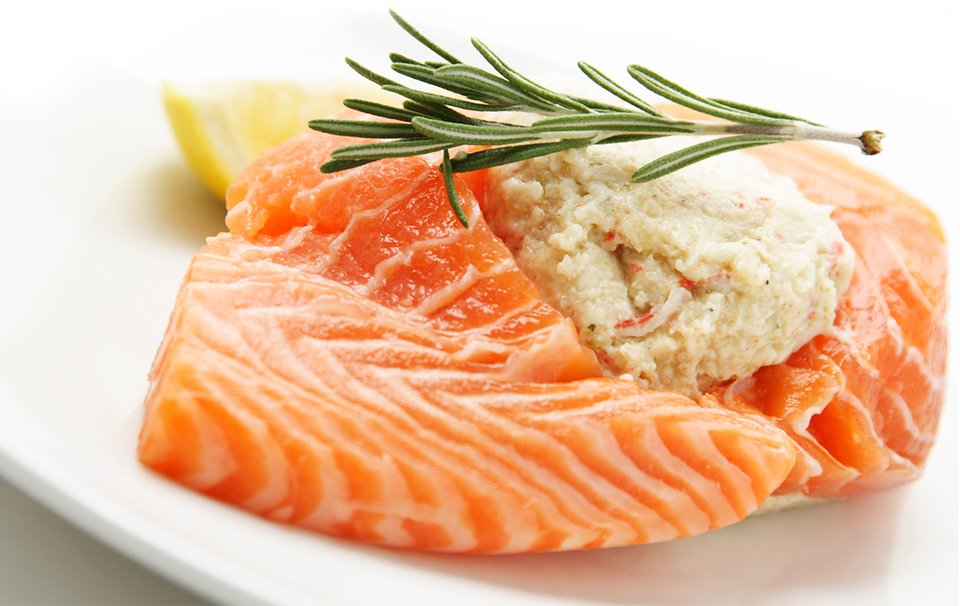
Omega-3 fatty acids are a type of polyunsaturated fat found in fatty fish, flaxseeds, chia seeds, and walnuts. Omega-3s have been shown to increase the health benefits associated with regular exercise, as well as reduce hunger cravings. Both can help you reach your fat-loss goals! [4,5]
Avoid trans fats, however. Found in processed foods containing partially hydrogenated oils, these fats are a significant risk factor for cardiovascular disease. Go easy on the saturated fat, too. Too much of it, along with inadequate intake of monounsaturated and omega-3 fats, can make it difficult to lose fat. And it can increase your risk of insulin resistance, obesity, and metabolic syndrome [3]. All of these can lead to type 2 diabetes.
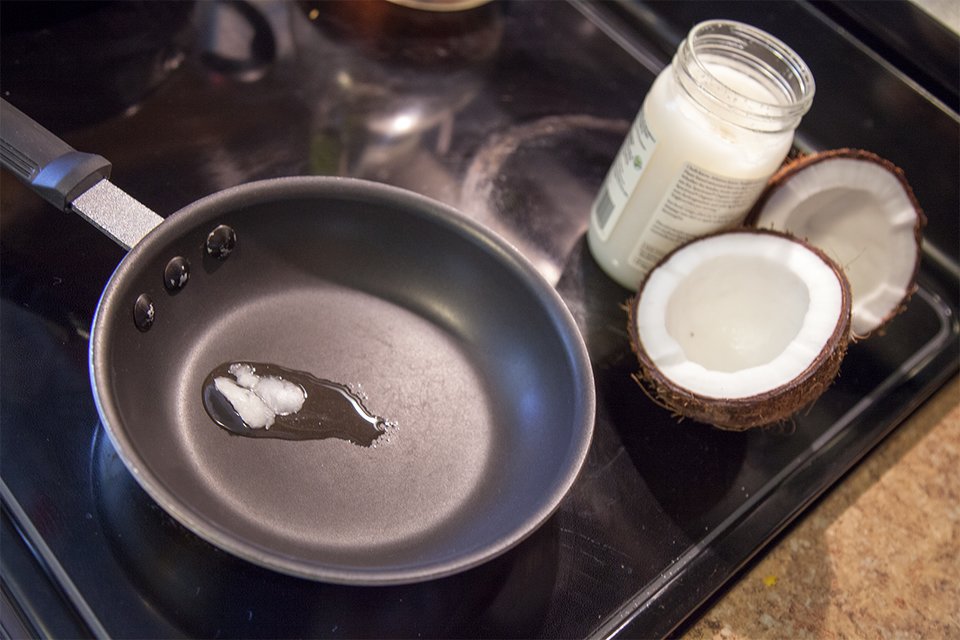
While trans fats are best avoided, we do need a minimum amount of saturated fats for hormone regulation, cellular messaging, and immune function. Certain saturated fats, such as coconut oil, are high in MCTs (medium-chain triglycerides), which can increase fat oxidation and may be beneficial for weight management. Other sources of saturated fats, such as egg yolks and butter, are rich in essential fat-soluble vitamins such as A, D, E, and K.
However, the current consensus among health authorities such as the Harvard School of Health and the American Dietetic Association, based on reviews of all available research, is that saturated fat should be limited to 10% or less total calories. [1,6]
Low Carb Fat Logic
- Monounsaturated fats: olives and olive oil, avocado and avocados, almonds, macadamias and many other nuts, sesame seeds and pumpkin seeds
- Polyunsaturated fats (including omega-3): salmon, sardines, mackerel, herring, flaxseed and flaxseed oil, chia seeds, walnuts and walnut oil
- Saturated fats (limit to 10% total calories): coconuts and coconut oil, palm oil, butter and ghee, egg yolks, grass-fed red meat, free-range poultry and full-fat dairy products
Consuming all the “fat loss foods” in the world won’t reduce body fat unless you’re eating fewer calories than you burn. You’ve probably heard this before, and the science still holds true: a calorie deficit is the primary requirement for fat loss.
Start by figuring out your total calorie requirements (factoring in exercise), reducing calories by 15-30 percent for fat loss, subtracting your protein and fat requirements, then using nutrient-dense carbohydrates to fill your remaining energy needs.
Check out other recipes for your breakfast on our website
